
Hyundai Tucson batteries
Car BatteriesWhich battery does a Hyundai take?
Based on 132 orders from Hyundai owners, the best-selling batteries are Car battery Varta G7 12V 95Ah 830A, battery Varta A7 12V 70Ah 760A AGM and Car battery Varta G8 12V 95Ah 830A. Capacity ranges from 10 to 100 Ah depending on model and engine: confirm it by choosing your model.
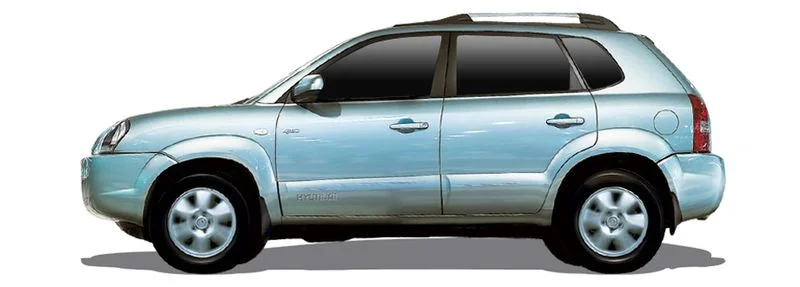
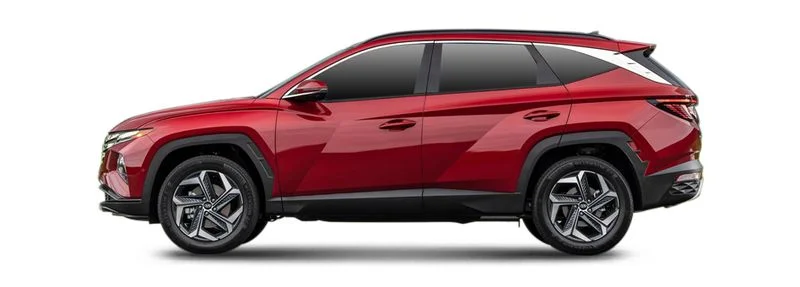
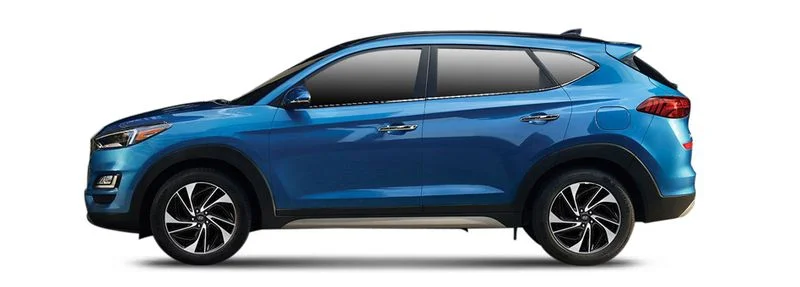
Which battery each Hyundai takes
| Model | Engine | Best seller | Alternative | From |
|---|---|---|---|---|
| Tucson | Petrol / diesel | battery Varta A6 12V 80Ah 800A AGM | battery Varta A7 12V 70Ah 760A AGM | 147.30 € |
| I30 | Petrol / diesel | Car battery Varta E11 12V 74Ah 680A | Car battery Varta E23 12V 70Ah 630A | 79.13 € |
| Santa | Petrol / diesel | Car battery Varta G7 12V 95Ah 830A | Car battery Tudor TB954 12V 95Ah 760A | 96.90 € |
| I20 | Petrol / diesel | battery Varta A7 12V 70Ah 760A AGM | Car battery Varta C30 12V 54Ah 530A | 67.40 € |
| Atos | Petrol / diesel | Car battery Varta A13 12V 40Ah 330A | 48.40 € | |
| Kona | Petrol / diesel | battery Varta A8 12V 60Ah 680A AGM | Car battery Varta C30 12V 54Ah 530A | 67.40 € |
| Ioniq | Hybrid | Car battery Varta B20 12V 45Ah 400A | 50.80 € | |
| Galloper | Petrol / diesel | Car battery Varta G8 12V 95Ah 830A | Car battery Tudor TA1000 12V 100Ah 900A | 89.95 € |
For guidance: the exact battery depends on engine and year. Confirm it by choosing your version. Data from 132 real orders from Hyundai owners.
What Hyundai owners buy
- Car battery Varta G7 12V 95Ah 830A 18 orders · Santa, Grand Santa 96.90 € View battery
- battery Varta A7 12V 70Ah 760A AGM 17 orders · Tucson, I30-Pde 148.78 € View battery
- Car battery Varta G8 12V 95Ah 830A 15 orders · IX35, Galloper 100.90 € View battery
- Car battery Varta A13 12V 40Ah 330A 12 orders · Atos, Atos Prime 48.40 € View battery
Reviews from Hyundai owners
-
★★★★★
«La he colocado en un hyundai accent del 2003. Ningún problema en montaje y en el arranque. Todo ok.»
Jose A. · Hyundai Accent Ii Saloon · Varta C30 12V 54Ah 530A -
★★★★★
«Todo perfecto, su web me ayudó a elegir la batería que necesitaba y cómo cambiarla, el precio es muy bueno y la recibí muy rápido.»
Ruben D. · Hyundai I30 · Varta E23 12V 70Ah 630A -
★★★★★
«Todo muy bien. Nada que objetar. Si lo necesitase repetiría sin dudarlo»
Juan G. · Hyundai Atos · baterias.com
Looking for a battery for your Hyundai Tucson? Here are the 16 that fit its 3 generations (2004-2025): 60 to 95 Ah, 540 to 830 A cold cranking, from 63.80 € inc. VAT.
- 📅 2004–2025
- 🚗 3 generations
- 🔋 16 compatible batteries
- from 63.80 €
Frequently asked questions
- It depends on the generation and engine: there are 16 compatible batteries in total, from 60 to 95 Ah and 540 to 830 A of cold cranking. The best sellers for this model are Car battery Varta E11 12V 74Ah 680A, Car battery Varta E44 12V 77Ah 780A, Start-Stop battery Varta A7 12V 70Ah 760A AGM. With your plate we tell you the exact one in seconds.
- Between 63.80 € and 148.78 €, VAT included, depending on capacity and technology (lead-acid, EFB, AGM). Start-Stop versions (AGM or EFB) sit at the top of the range because they withstand many more cycles.
- By the registration year: Tucson III (2020-2025); Tucson II (2015-2023); Tucson I (2004-2019). If your year falls in the overlap between two generations, tell them apart by body type (hatchback, estate or coupé) or use the plate finder, which settles it with no doubt.
- Yes, as long as the dimensions fit the tray and the terminal layout matches. More capacity (Ah) and more cold cranking (A) do not harm the vehicle: the alternator charges it the same and you gain margin in winter. What you must never do is go below the original figures.
- Between 4 and 6 years in normal use. Start-Stop batteries (AGM/EFB) tend to last slightly less in city driving because of the number of starts, but they are designed for that cycling. If the car sits unused for weeks or you notice slow cranking in the cold, get it checked.


